

ONE NAME. ONE ORIGIN. ONE SHARED STORY.
A legacy of footwear since 1936In 1936, a completely new type of shoe was launched. The 'Play-Boy', it was called. Made for both town and country wear — and for men and women alike. To mark it as the first of its kind, ORIGINAL, was added to the name.
The story of the 'Play-boy' shoe began in 1936
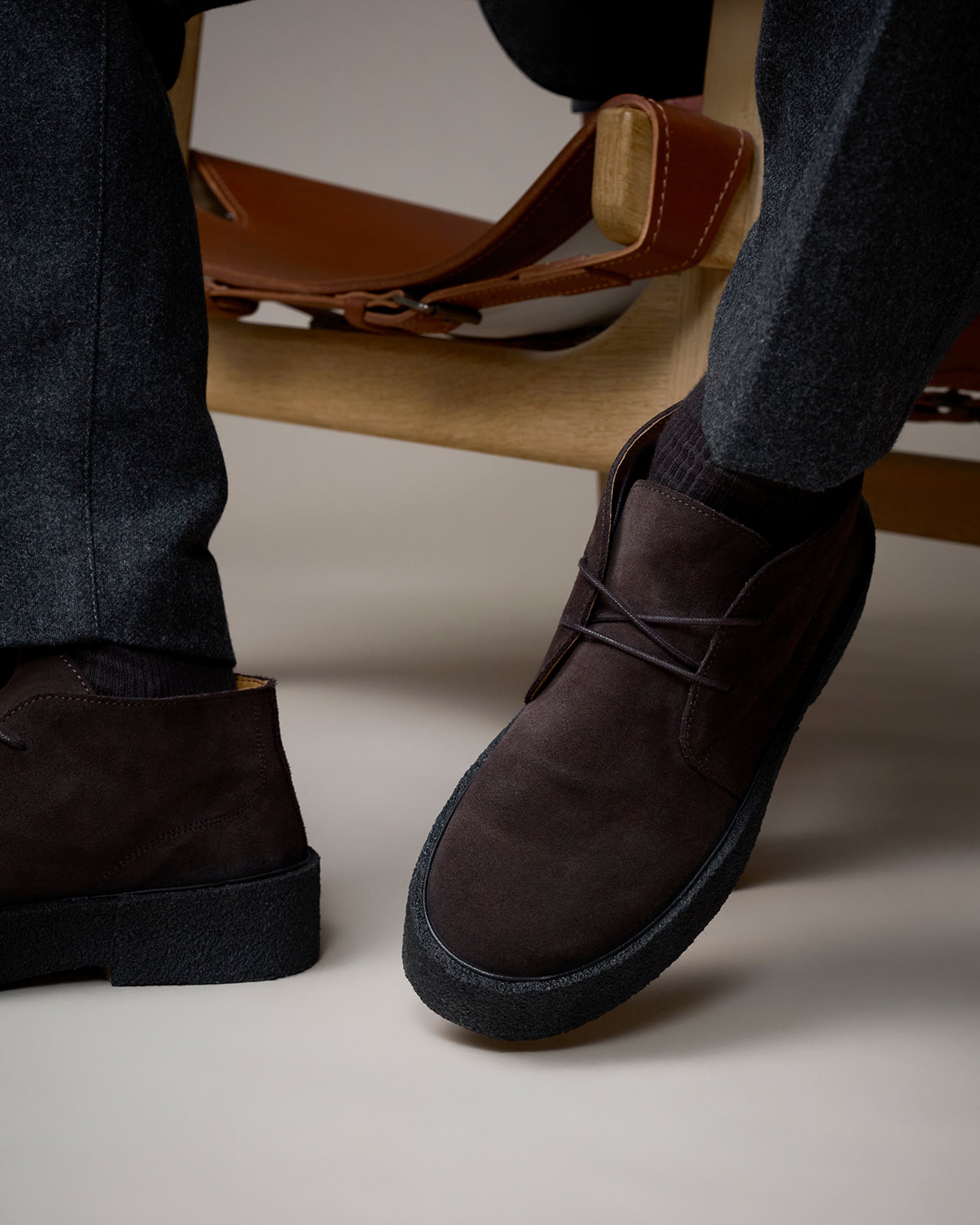
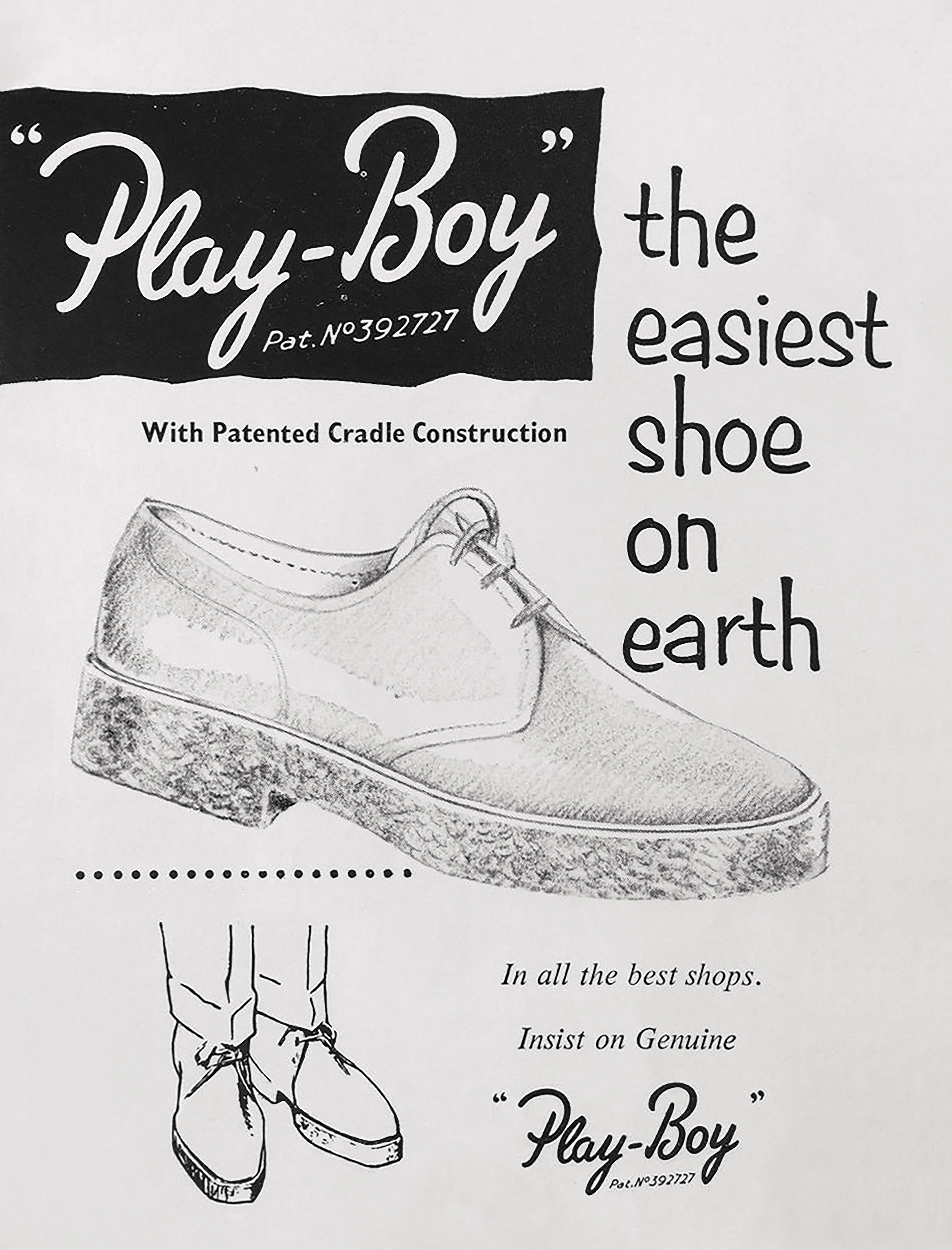
In 1936, an English shoemaker in Northampton launched a new type of shoe with a unique and patented crepe sole construction. The ‘Play-Boy’, as it was called, was marketed as ‘The Easiest Shoe on Earth’, made for town and country wear — and for both men and women.
The shoes quickly became popular, also among royalty. Queen Wilhelmina of the Netherlands ordered her third pair of Playboy shoes as early as 1937, and the then Duke of Windsor owned several pairs as well. Soon, the adverts carried the line ‘Worn by Royalty’, and the shoes were sometimes referred to as ‘Royal Playboys’.
By the 1940s, the shoes were widely exported overseas to America, Australia and Canada, and were even seen in Cairo long before the worldwide desert boot trend emerged.
The story of the 'Play-boy' shoe began in 1936
In 1936, an English shoemaker in Northampton launched a new type of shoe with a unique and patented crepe sole construction. The ‘Play-Boy’, as it was called, was marketed as ‘The Easiest Shoe on Earth’, made for town and country wear — and for both men and women.
The shoes quickly became popular, also among royalty. Queen Wilhelmina of the Netherlands ordered her third pair of Playboy shoes as early as 1937, and the then Duke of Windsor owned several pairs as well. Soon, the adverts carried the line ‘Worn by Royalty’, and the shoes were sometimes referred to as ‘Royal Playboys’.
By the 1940s, the shoes were widely exported overseas to America, Australia and Canada, and were even seen in Cairo long before the worldwide desert boot trend emerged.
From Hollywood legends to Hip Hop pioneers
It was the attention from Hollywood in the 1950s and 60s that truly accelerated the international success of The Original Playboy shoes. As some of the most influential actors of the era began wearing the crepe-soled shoes, the style reached a global audience.
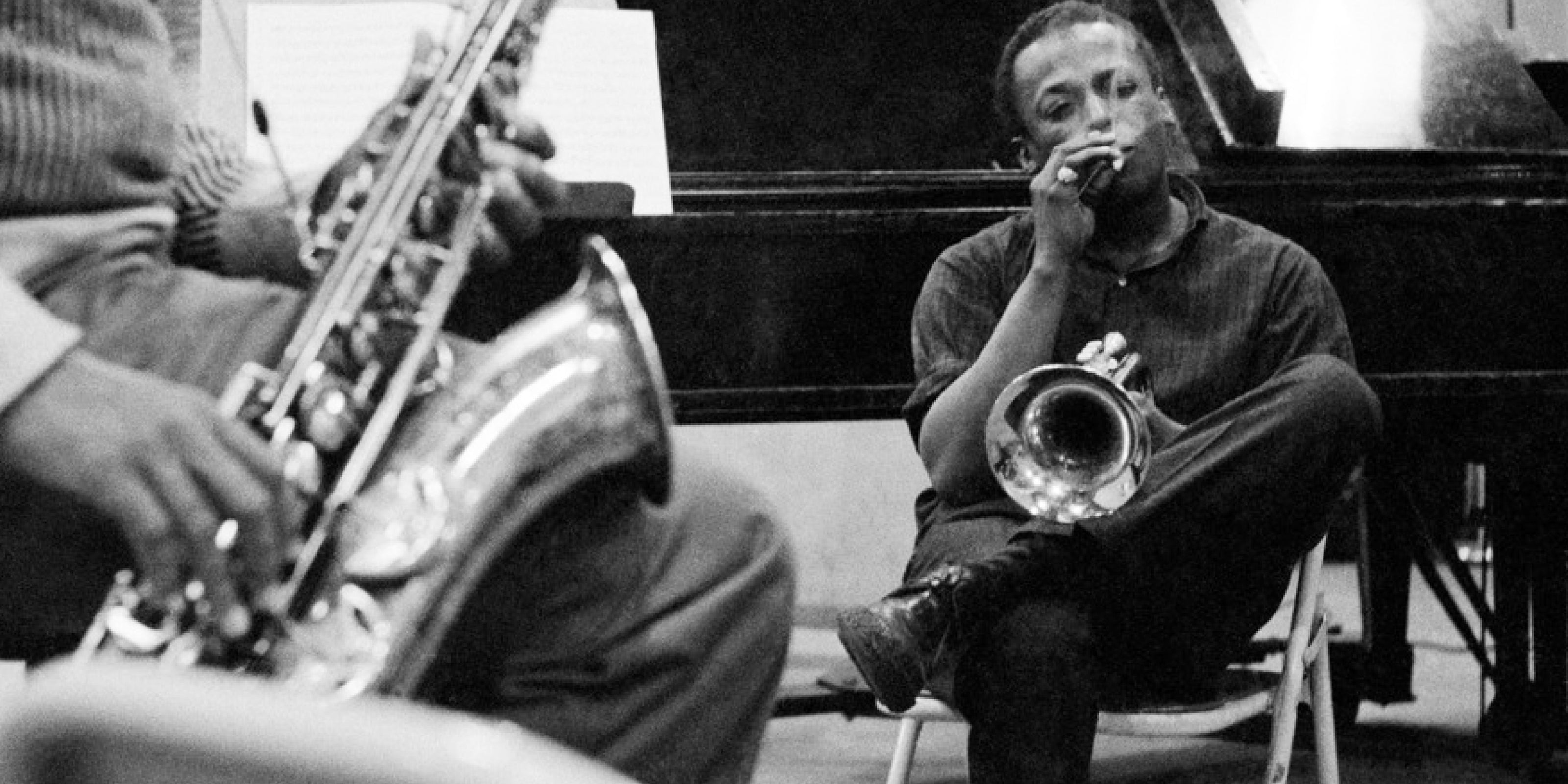
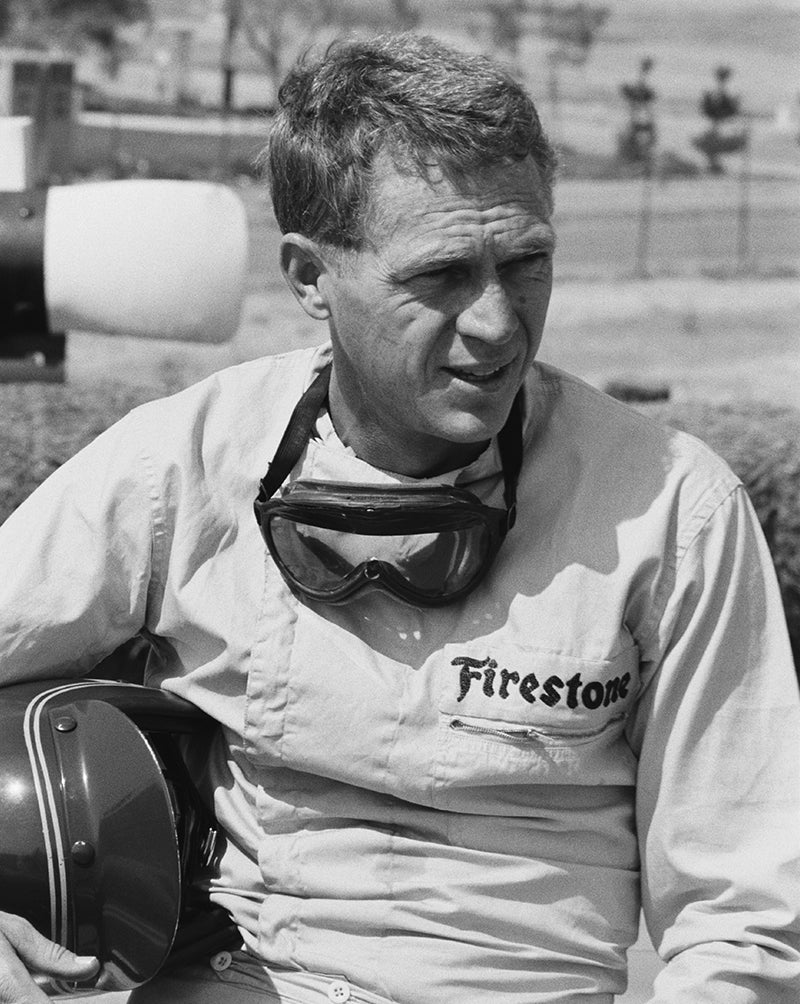
Steve McQueen and Marlon Brando were among the most legendary wearers, joined by Anthony Perkins and Jason Robards, as well as jazz icon Miles Davis. On and off screen, they defined their own relaxed take on the Ivy style — with The Original Playboy shoes as part of that understated, confident look.
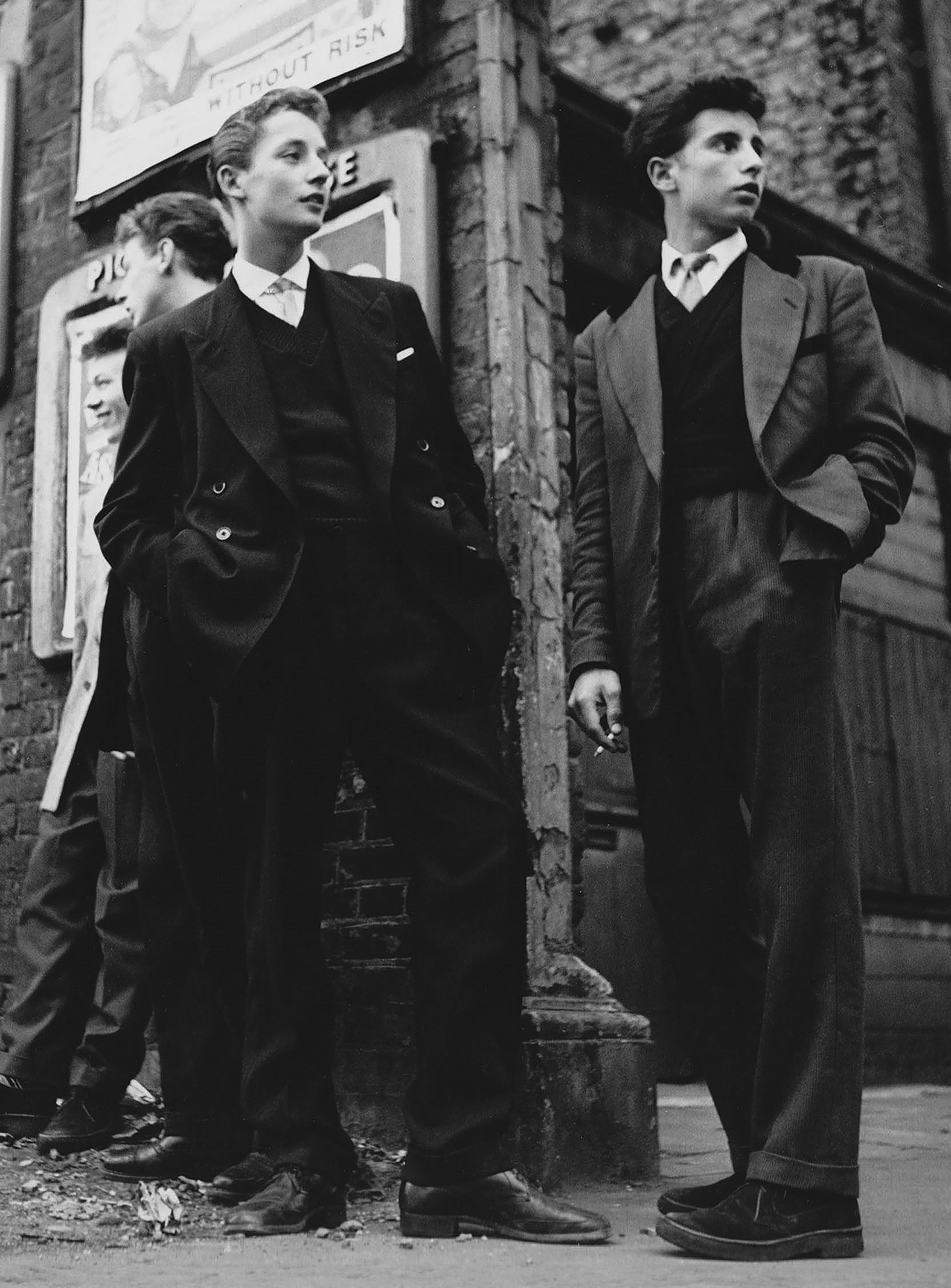
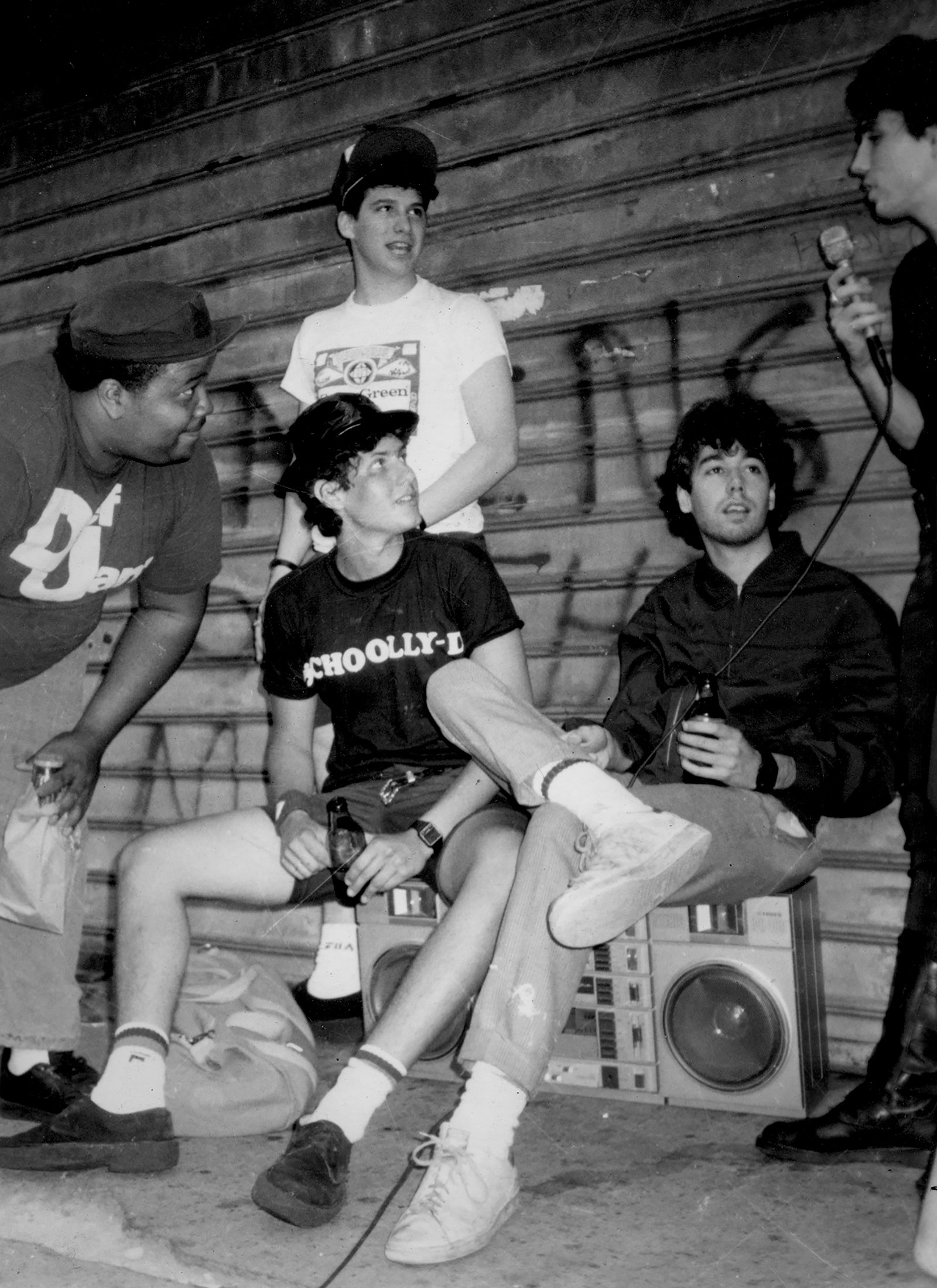
The characteristic shoes also became part of youth culture — from Britain’s rebellious Teddy Boys to Ivy League students — and, decades later, were embraced by a new generation within New York’s emerging hip hop scene. Brooklyn’s own Beastie Boys were seen performing and photographed in their Playboys, confirming the timeless silhouette’s relevance across generations and cultural landscapes.
From Hollywood legends to Hip Hop pioneers
It was the attention from Hollywood in the 1950s and 60s that truly accelerated the international success of The Original Playboy shoes. As some of the most influential actors of the era began wearing the crepe-soled shoes, the style reached a global audience.
Steve McQueen and Marlon Brando were among the most legendary wearers, joined by Anthony Perkins and Jason Robards, as well as jazz icon Miles Davis. On and off screen, they defined their own relaxed take on the Ivy style — with The Original Playboy shoes as part of that understated, confident look.
The characteristic shoes also became part of youth culture — from Britain’s rebellious Teddy Boys to Ivy League students — and, decades later, were embraced by a new generation within New York’s emerging hip hop scene. Brooklyn’s own Beastie Boys were seen performing and photographed in their Playboys, confirming the timeless silhouette’s relevance across generations and cultural landscapes.
90 years of solid craftsmanship and a legacy of footwear since 1936. Rooted in tradition and refined through generations.
A New Chapter, A Continued Legacy
Despite the international success, the then English owner discontinued their business in the 1970s. During the same period, the Danish shoe family Fabian began working with the Playboy brand and would come to play a defining role in its continued development.
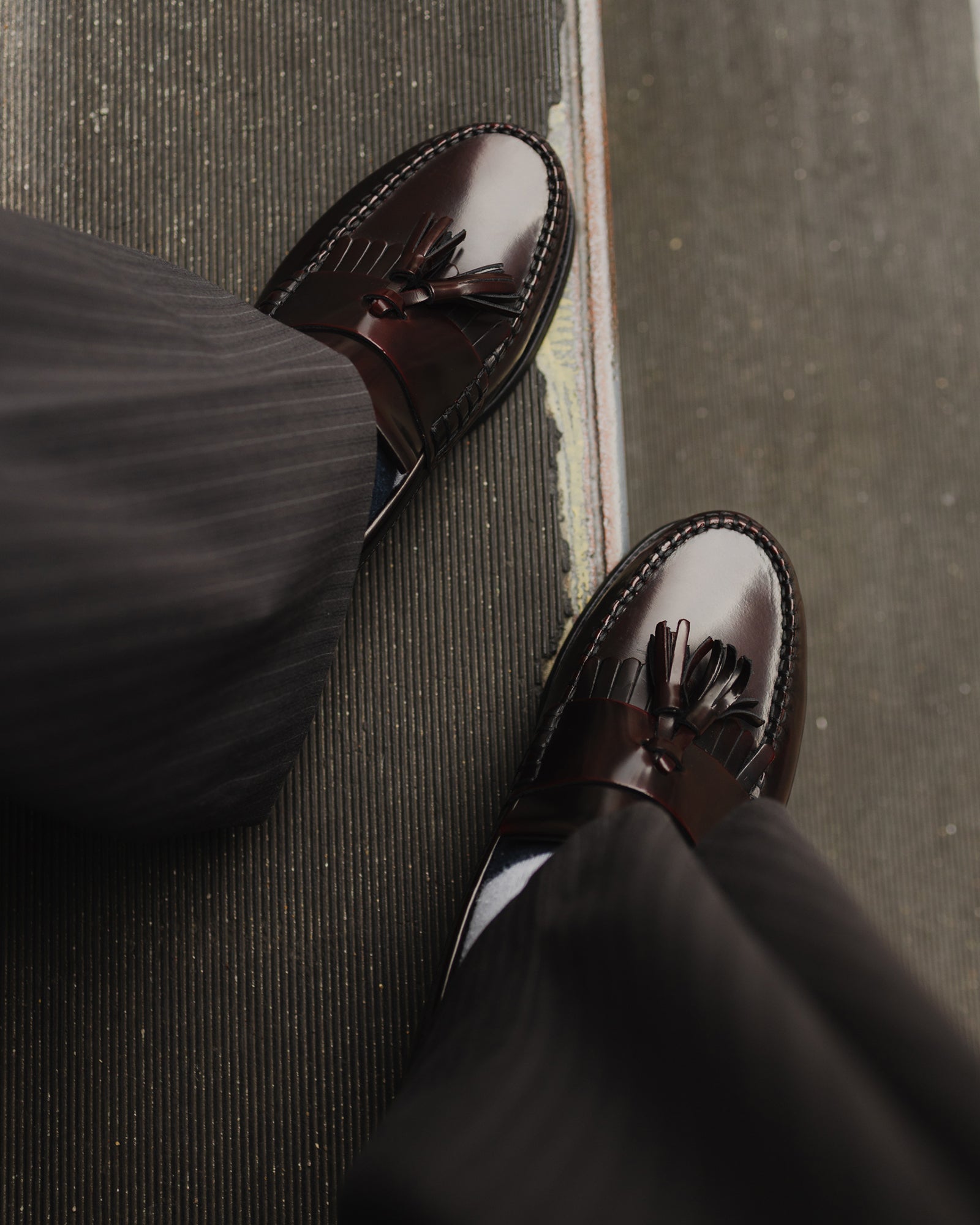
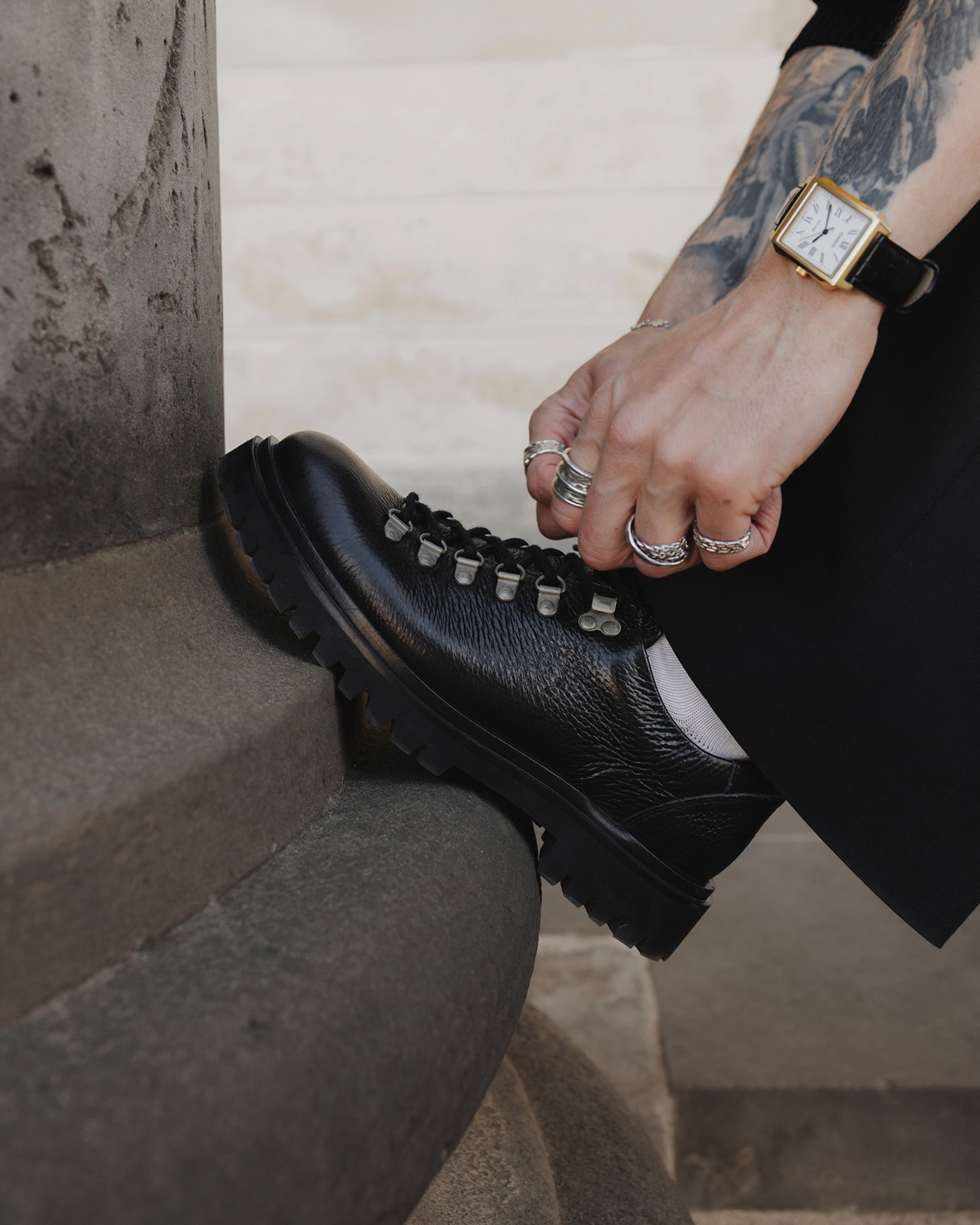
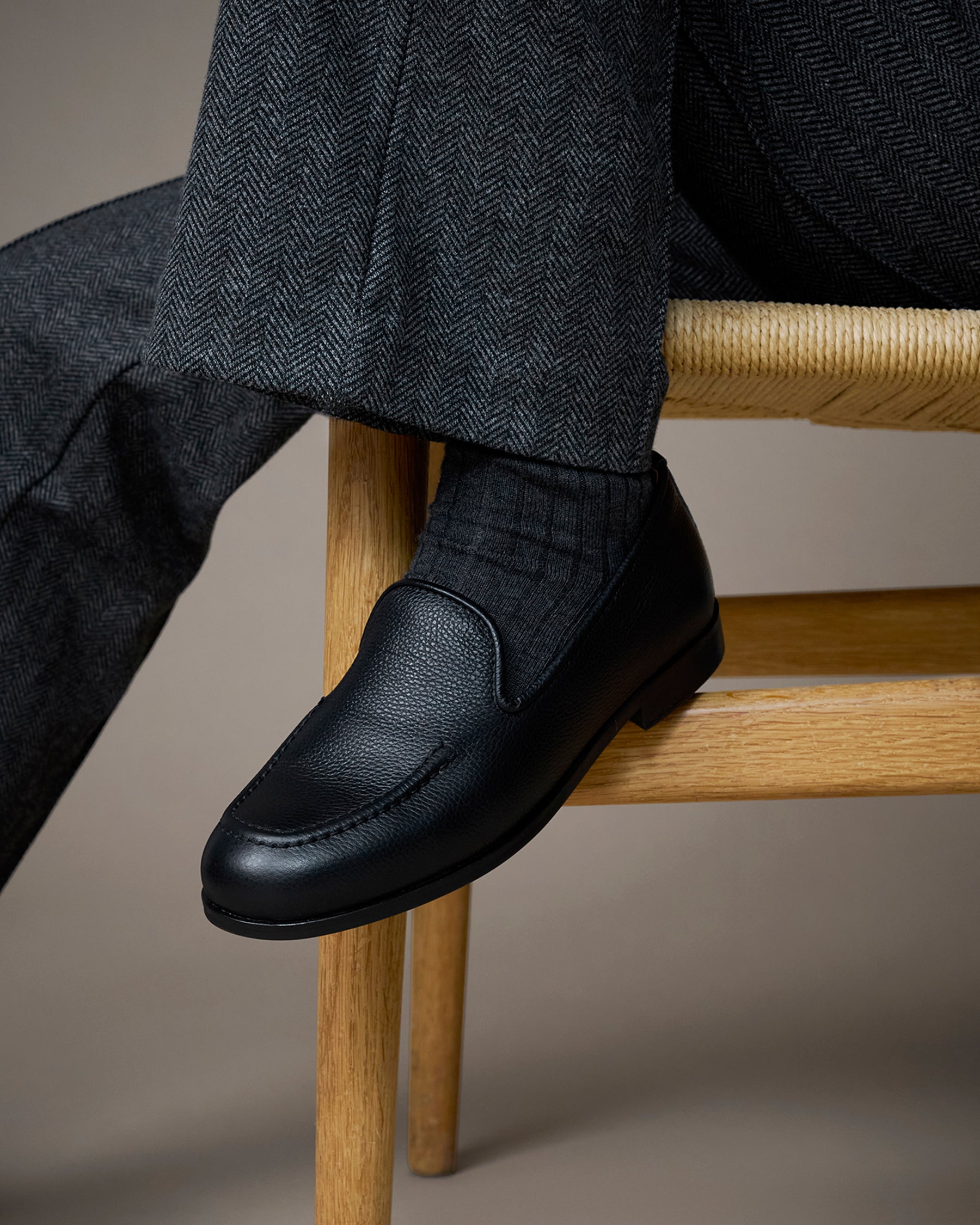
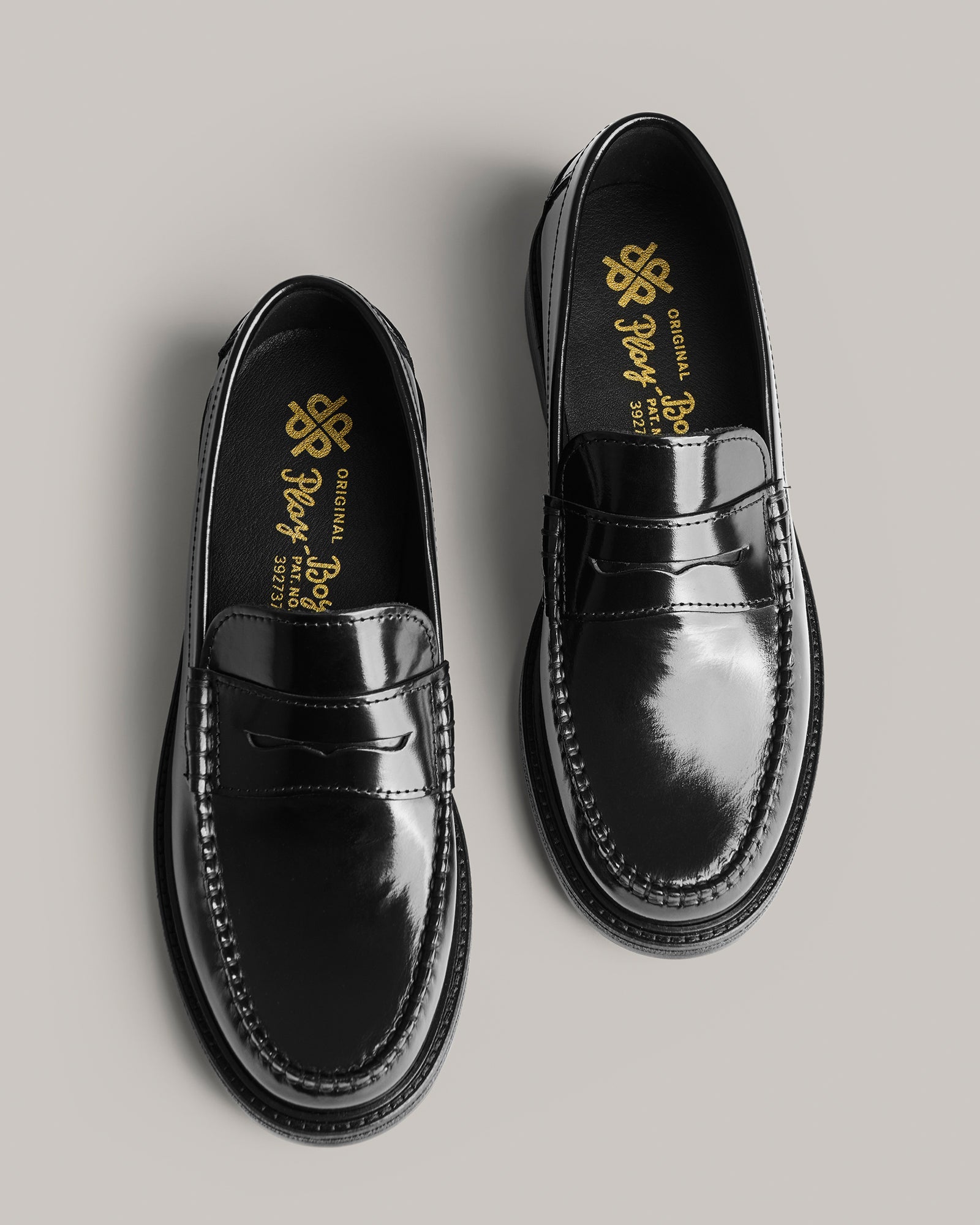
While honouring the iconic heritage styles, the collection was expanded with new shoes and distinctive boots. Including a range of loafers that would become a signature style for the brand and widely popular across Europa.
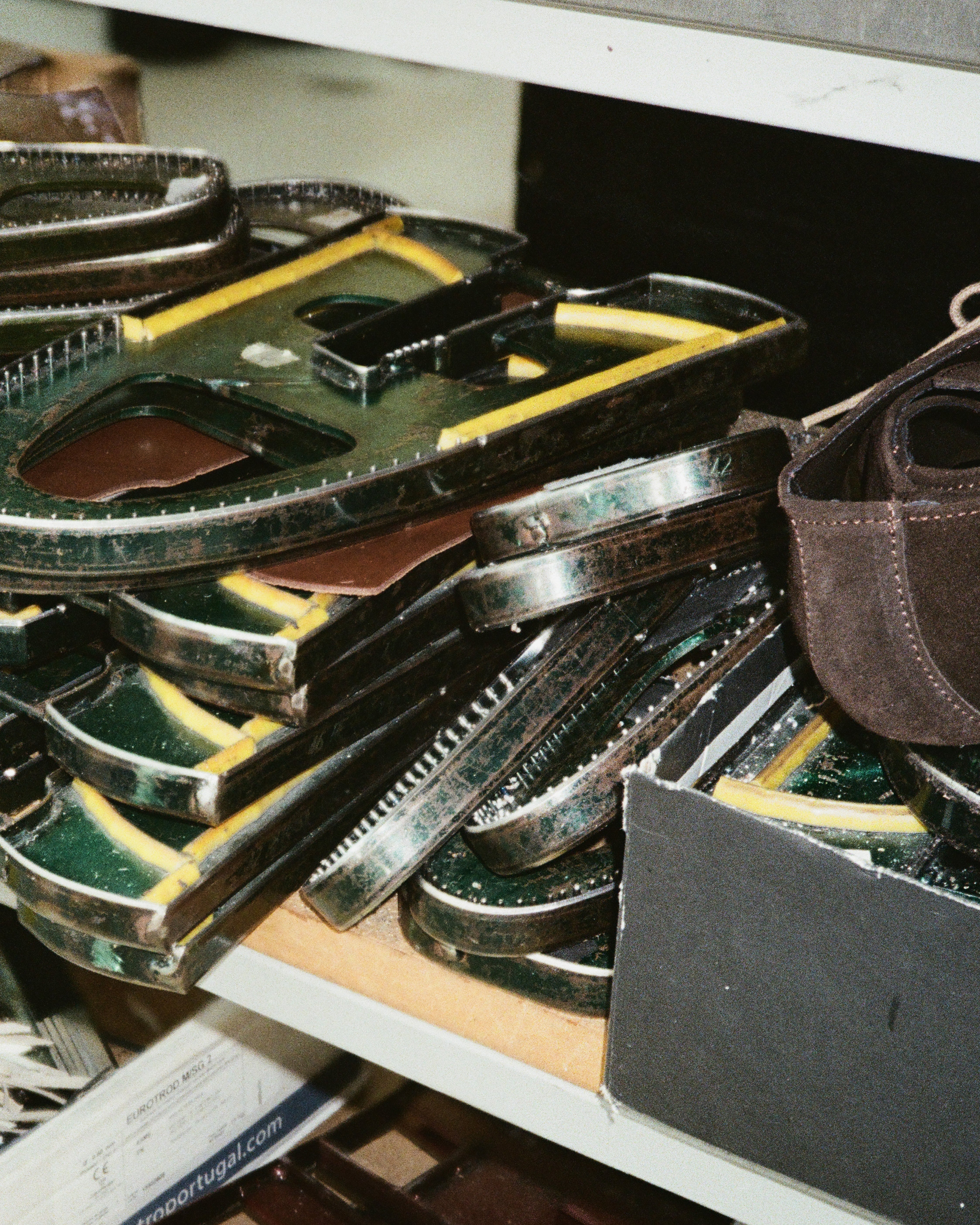
After decades of close involvement, the Fabian family formally acquired the Playboy name, designs and tooling, ensuring the legacy of The Original Playboy shoes – and as the story of footwear since 1936 continues, the brand today extends across collections, countries and genders in one name: The Original Playboy.
A New Chapter, A Continued Legacy
Despite the international success, the then English owner discontinued their business in the 1970s. During the same period, the Danish shoe family Fabian began working with the Playboy brand and would come to play a defining role in its continued development.
While honouring the iconic heritage styles, the collection was expanded with new shoes and distinctive boots. Including a range of loafers that would become a signature style for the brand and widely popular across Europa.
After decades of close involvement, the Fabian family formally acquired the Playboy name, designs and tooling, ensuring the legacy of The Original Playboy shoes – and as the story of footwear since 1936 continues, the brand today extends across collections, countries and genders in one name: The Original Playboy.